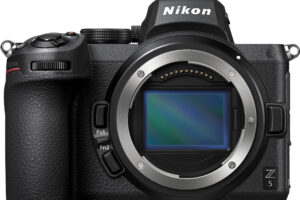


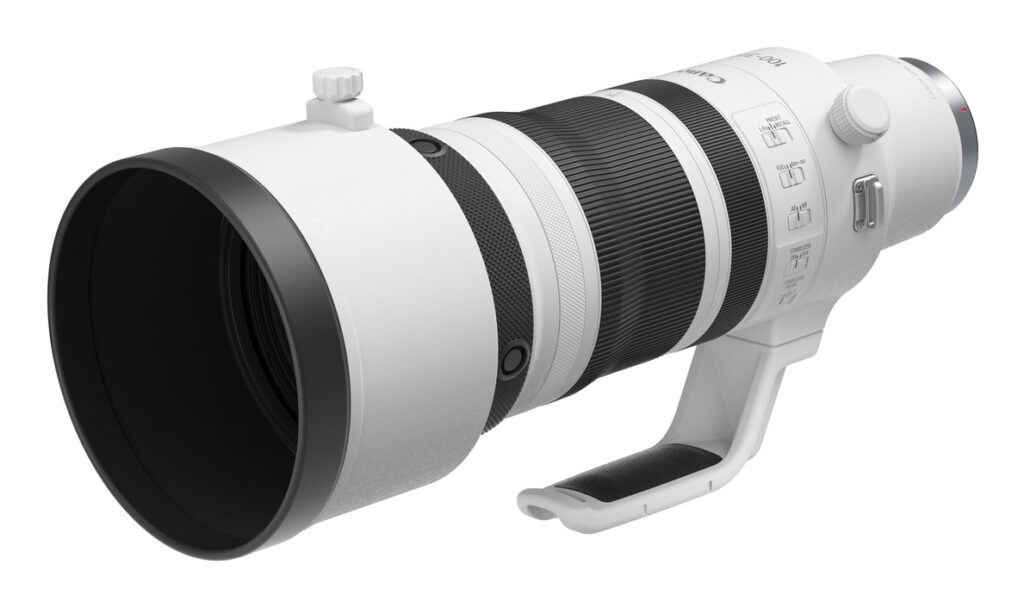
Photographers often find themselves needing to capture distant subjects without compromising on image quality. The Canon RF 100-300mm F2.8 L IS USM lens addresses this challenge with a robust zoom range and a fast aperture, making it ideal for wildlife, sports, and event photography.
With a focal length range of 100-300mm and a constant f/2.8 aperture, this lens allows for impressive subject isolation and low-light performance. Its design is tailored for Canon’s mirrorless cameras, ensuring compatibility and optimal performance for both amateur and professional photographers alike.
Pros
- Exceptional image quality across the zoom range
- Fast f/2.8 aperture for low-light conditions
- Effective image stabilization (IS) for sharp handheld shots
- Lightweight design for a telephoto lens, enhancing portability
- Nano USM for fast and silent autofocus
- Robust build quality with weather-sealing
Cons
- Large filter size (112mm) can be expensive to outfit with high-quality filters
- Length of 323.4mm may be cumbersome for some users
- Higher price point compared to other telephoto lenses
- Limited compatibility outside of Canon’s RF mount system
Who It’s For
Wildlife photographers needing to capture fast-moving subjects from a distance
Sports photographers looking for a lightweight option without sacrificing quality
Event photographers who require versatility in varying garden/lighting/” class=”auto-internal-link”>lighting conditions
How We Evaluated
We assessed the Canon RF 100-300mm F2.8 L IS USM by comparing it against other telephoto zoom lenses, such as the Nikon Z 100-400mm f/4.5-5.6 and Sony FE 70-200mm f/2.8. Key performance metrics included sharpness, autofocus speed, and image stabilization effectiveness.
In addition to technical specifications, we reviewed user feedback and professional critiques to gauge real-world performance. The lens’s construction, including its 23 elements in 28 groups, was also examined to understand how it influences image quality and durability during demanding shoots.
Affiliate Disclosure: This article contains affiliate links. When you purchase through links on our site, we may earn a commission at no additional cost to you. Our editorial team independently selects products based on research and testing. We only recommend products we genuinely believe in.