
Ad: this article contains affiliate links. If you buy through them, we earn a commission at no extra cost to you. Our reviews are based on research into manufacturer specifications, retailer information and published sources; we have not tested every product ourselves. Prices and stock change often, so check the retailer before you buy.
For photographers exploring the shift from DSLR to mirrorless cameras, the decision often comes down to what each model can specifically offer for their needs. The Nikon Z5 and Canon R50 are two such options, each with distinct features catering to different photography styles. Whether you’re prioritising video capabilities, autofocus precision, or portability, understanding these differences can help clarify your choice.
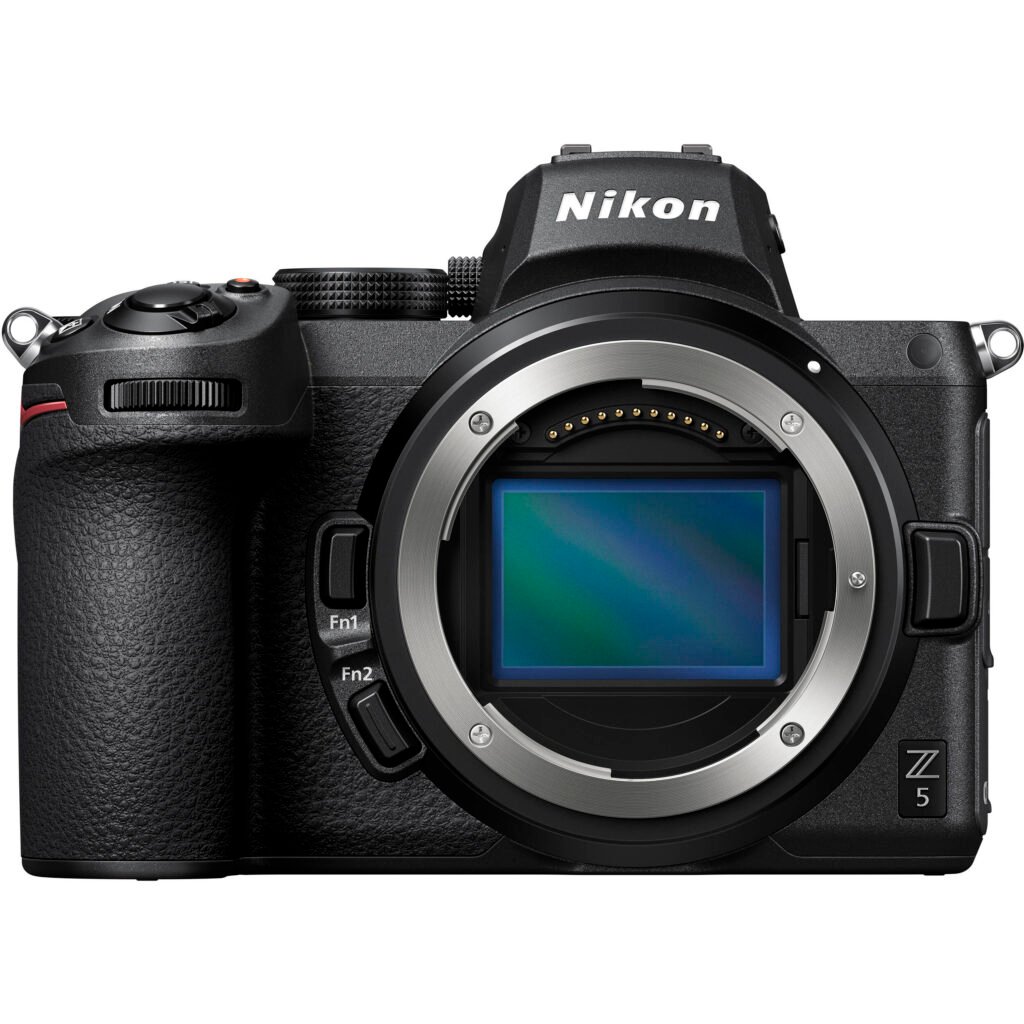
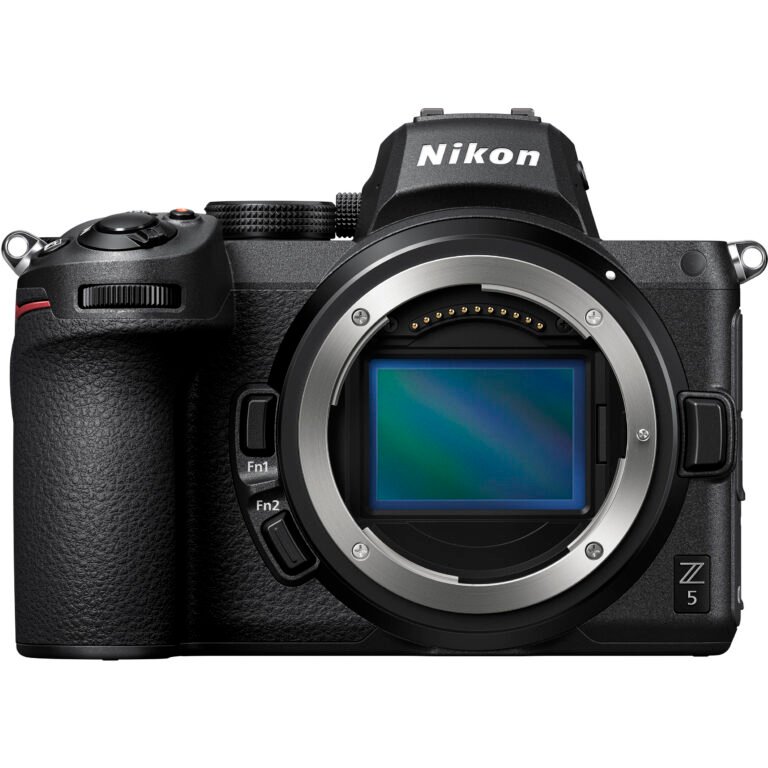
The Nikon Z5 is a versatile choice for those seeking a robust feature set in a compact body. Meanwhile, the Canon R50 Kit is tailored towards beginners interested in outdoor sports photography, offering a complete package with essential accessories. This comparison will dissect the features and specifications that might sway your decision one way or the other.
Specs Side by Side
| Nikon Z5 Mirrorless | Canon R50 Kit | |
|---|---|---|
| Sensor Resolution | 24.3MP | not stated |
| Processor | EXPEED 6 | not stated |
| Video Recording | UHD 4K | Full HD, 3D, 4K |
| Autofocus Points | 273 | not stated |
| Weight | 2 kg | 1 kg |
| Shutter Speed | not stated | 1/4000s |
| Continuous Shooting | 4.5 fps | 12 fps |
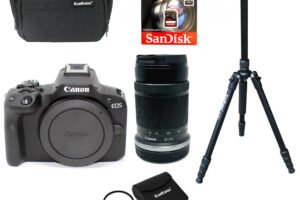
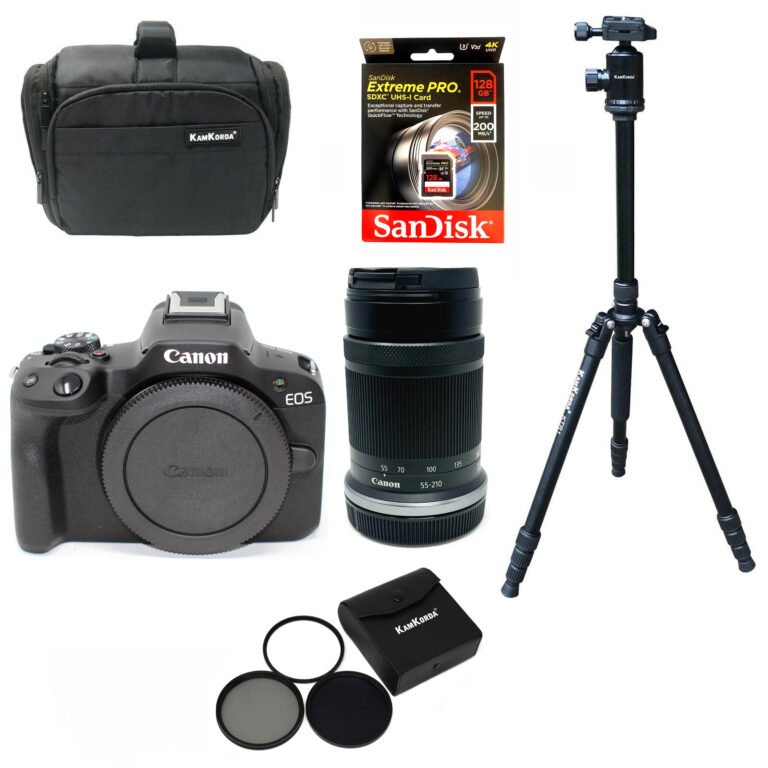
| Included Accessories | None | Lens, Bag, Tripod, Filters, Memory Card |
Image and Video Quality
The Nikon Z5 offers a 24.3MP FX-format CMOS sensor, which is ideal for high-resolution photography and detailed video capture in UHD 4K. Its EXPEED 6 image processor ensures high-quality image processing, making it suitable for both stills and video needs. On the other hand, the Canon R50 provides Full HD, 3D, and 4K video capabilities, though its sensor resolution is not explicitly stated. This makes the Nikon Z5 a more reliable choice for those prioritising high-resolution images.
For video enthusiasts, both cameras offer 4K recording, but the Nikon Z5’s superior sensor and processor might provide a slight edge in clarity and detail. However, the Canon R50’s inclusion of a comprehensive beginner kit with lens and accessories makes it attractive for those new to photography who want an all-in-one solution.
Autofocus and Shooting Speed
The Nikon Z5’s 273-point hybrid autofocus system combines phase-detection and contrast-detection methods, ensuring high-speed and accurate focusing. It also features face and eye detection, useful for portraiture. In contrast, the Canon R50’s autofocus points are not specified, but it has a fast shutter speed of 1/4000s and continuous shooting at 12 frames per second, making it suitable for capturing fast-moving sports action.
For photographers focused on speed, especially in sports or wildlife photography, the Canon R50’s rapid shooting capabilities may be more appealing.
Portability and Design
Weighing 2 kg, the Nikon Z5 is built with a magnesium alloy chassis and weather-sealed construction, offering durability and protection in various environments. Its design supports photographers who require a robust camera body for outdoor shoots. Conversely, the Canon R50 is significantly lighter at 1 kg, making it a more portable option for photographers on the go.
The Canon R50’s lighter weight and included travel-friendly accessories, such as the KamKorda Shoulder Travel Bag and Compact Tripod, enhance its appeal for those who frequently travel or hike. In contrast, the Nikon Z5’s sturdier build may better serve photographers who prioritise a durable and resilient camera body.
Connectivity and Sharing
Both cameras offer wireless connectivity, but the Nikon Z5 includes built-in Wi-Fi and Bluetooth that work with the Nikon SnapBridge app for easy transfer of photos and videos. This feature allows photographers to share their work effortlessly and control the camera remotely from a mobile device. The Canon R50’s connectivity features are not detailed, leaving potential buyers uncertain about its wireless capabilities.
For photographers who value smooth connectivity and remote control, the Nikon Z5’s SnapBridge compatibility provides a clear advantage. However, users who are more focused on capturing images than sharing them immediately might find the Canon R50’s other features more compelling.
Overall Value and Accessories
The Nikon Z5 is priced as a standalone camera body, which might require additional investment in lenses and accessories. It is well-suited for those who already own Nikon-compatible equipment or prefer to customise their setup. Meanwhile, the Canon R50 Kit includes a telephoto lens, filters, a travel bag, a tripod, and a high-speed memory card, offering significant value for beginners who need a complete package.
For new photographers or those who prefer an all-inclusive kit, the Canon R50 provides excellent value with its bundled accessories. Conversely, more experienced photographers who prefer to build their own custom kit might favour the Nikon Z5’s flexibility and advanced features.
Choose the Nikon Z5 Mirrorless if…
- You need a high-resolution sensor for detailed images
- You prefer a robust and weather-sealed camera body
- You value advanced autofocus features such as eye detection
Read our full review of the Nikon Z5 Mirrorless.
Choose the Canon R50 Kit if…
- You’re a beginner looking for an all-in-one photography kit
- You need a lightweight and portable camera for travel
- You focus on fast shooting speeds for sports photography
Read our full review of the Canon R50 Kit.
Frequently Asked Questions
Does the Nikon Z5 include a lens?
No, the Nikon Z5 is sold as a camera body only. Buyers will need to purchase lenses separately, which allows for a customised setup based on their specific photography needs.
What accessories come with the Canon R50 Kit?
The Canon R50 Kit includes a 55-210mm telephoto lens, a shoulder travel bag, a compact tripod, a set of camera lens filters, and a SanDisk high-speed memory card. This makes it a comprehensive starter kit for beginners.
Which camera is better for video recording?
Both cameras support 4K video recording, but the Nikon Z5’s superior sensor and processor might offer better video quality. However, the Canon R50’s overall kit features could be more practical for beginners starting with videography.
Our Verdict
For most buyers, the Canon R50 Kit offers excellent value, especially for beginners who need a complete set of accessories to start their photography journey. Its lightweight design and fast shooting capabilities make it ideal for sports and travel photography. However, for those who prioritise image quality and advanced autofocus features, the Nikon Z5 is the better choice, offering a robust and versatile camera body that can be paired with various lenses to suit professional needs.