

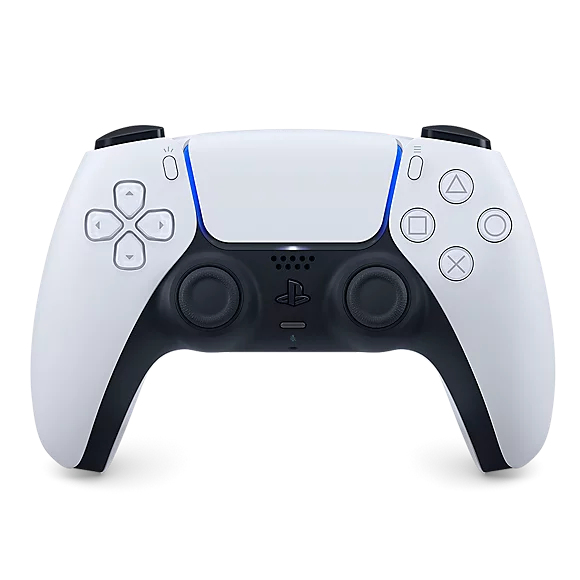
Gamers often seek controllers that enhance their immersion in virtual worlds. The Sony DualSense Wireless Controller for PS5 offers several innovative features designed to deepen the gaming experience. With its advanced haptic feedback and adaptive triggers, this controller aims to provide a tactile connection to the gameplay that traditional controllers may lack.
The DualSense controller not only boasts a modern design but also integrates technology that allows players to feel the nuances of their in-game actions. Whether navigating challenging terrains or engaging in intense battles, the controller’s features are geared towards making players feel more engaged and responsive to their games.
Pros
- Haptic feedback offers a more immersive experience than traditional rumble motors.
- Adaptive triggers provide varying resistance, enhancing gameplay dynamics.
- Ergonomic design improves comfort during extended gaming sessions.
- Built-in microphone allows for easy voice chat without needing a headset.
- Two-tone design is visually appealing and modern.
Cons
- Battery life is average, lasting around 10-12 hours on a full charge.
- Compatibility is primarily limited to PS5 and PC, with fewer options for mobile devices.
- Charging requires a proprietary USB-C cable, which might not be readily available for some users.
- The controller may feel bulky for users accustomed to smaller controllers.
Who It’s For
Console gamers who prioritize immersive gameplay experiences.
Competitive players who benefit from responsive triggers and feedback.
Couch co-op enthusiasts who enjoy seamless communication through the built-in microphone.
How We Evaluated
To assess the DualSense controller, we compared it against other leading controllers, such as the Xbox Series X controller and the Nintendo Switch Pro controller. Key benchmarks included comfort during extended use, responsiveness of the triggers, and the effectiveness of haptic feedback. User reviews and expert opinions were also considered to gauge overall satisfaction and performance in various gaming scenarios.
We specifically noted how the adaptive triggers and haptic feedback compared to traditional rumble features, as well as how these innovations impacted gameplay across different genres. This evaluation focused on real-world use cases from competitive gaming to casual play, ensuring a comprehensive understanding of the controller’s strengths and limitations.
Affiliate Disclosure: This article contains affiliate links. When you purchase through links on our site, we may earn a commission at no additional cost to you. Our editorial team independently selects products based on research and testing. We only recommend products we genuinely believe in.