
Ad: this article contains affiliate links. If you buy through them, we earn a commission at no extra cost to you. Our reviews are based on research into manufacturer specifications, retailer information and published sources; we have not tested every product ourselves. Prices and stock change often, so check the retailer before you buy.
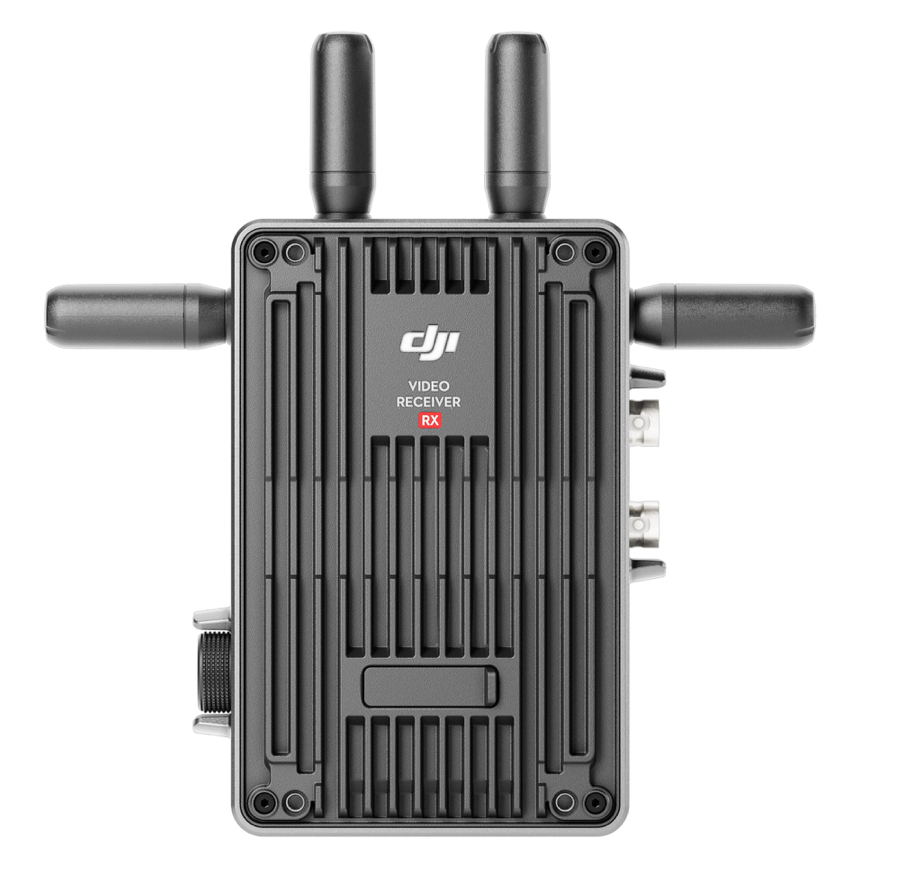
On modern film sets, the need for reliable video transmission is paramount. Filmmakers often face challenges when collaborating across large distances, where latency and signal integrity can impact the final product. The DJI Video Receiver camera data transmitter addresses these issues, designed specifically for professional cinematography applications. Positioned within the upper tier of transmission solutions, this device integrates advanced technology for high-quality video and audio feeds.
This transmitter is not merely an accessory but a comprehensive tool that combines video receiving, monitoring, controlling, and recording functionalities. Its compatibility with DJI’s Ronin-series products further enhances its appeal, allowing smooth integration into existing setups. With features like low-latency transmission and extended-range capabilities, it aims to simplify the complexities of modern filmmaking, ensuring that every detail is captured without compromise.
In an industry where time is critical, the DJI Video Receiver’s ability to support transmission distances of up to 6km/20,000ft makes it a strong contender for filmmakers working on expansive sets. Additionally, the device delivers 1080p video at 60fps with a maximum bitrate of 40Mbps, ensuring high-quality output that meets the standards of professional productions. However, potential buyers should be aware of its higher price point compared to basic transmission solutions, as well as its specific compatibility requirements.
Pros
- Supports transmission distances of up to 6km/20,000ft
- Delivers 1080p video at 60fps with a maximum bitrate of 40Mbps
- Low-latency performance optimized for cinema cameras like ALEXA Mini LF
- Multiple receivers can connect to one transmitter for real-time monitoring
- Includes AES 256-bit encryption for secure data transmission
- Supports metadata transmission via SDI for detailed shooting information
- Independent recording capability on the High-Bright Remote Monitor
Cons
- Setup may require a learning curve for new users
- Limited battery life can affect extended shoots without additional power sources
- Higher price point compared to basic transmission solutions
- Requires compatible equipment for full functionality, such as DJI Master Wheels
In Depth
Transmission Range and Quality
One of the standout features of the DJI Video Receiver camera data transmitter is its impressive transmission range. Capable of reaching distances of up to 6km/20,000ft, this device is particularly suitable for large film sets where distance can be a limiting factor. This extended range allows cinematographers to position cameras far from the monitoring station without sacrificing signal quality, which is critical during complex shots.
In terms of video quality, the transmitter supports 1080p video at 60 frames per second and a maximum bitrate of 40Mbps. This ensures that the visual fidelity remains high, allowing directors and cinematographers to review footage in real time without noticeable degradation. Such specifications are vital during shoots where every detail matters, making this device a reliable choice for high-stakes environments.
Low-Latency Performance
Low latency is another critical aspect of the DJI Video Receiver, optimized for cinema cameras like the ALEXA Mini LF. The device minimizes delay, which is essential for live monitoring and immediate feedback during filming. This feature is particularly beneficial for directors and cinematographers who require precise timing when coordinating shots, ensuring that the creative vision is executed smoothly.
In practical terms, low latency allows for a more responsive production environment. Crew members can react quickly to changes on set without the frustration of lag, which can disrupt the flow of shooting. This responsiveness is crucial in maintaining the momentum of a production, especially in dynamic shooting scenarios.
Integration with DJI Ecosystem
The DJI Video Receiver is designed for compatibility with DJI’s Ronin-series products, creating a cohesive ecosystem for users of DJI equipment. This integration simplifies the setup process, allowing filmmakers to leverage existing gear without the need for extensive modifications or additional components. Such compatibility ensures that users can maximize their investment in DJI technology, making the transition to this transmitter relatively straightforward.
Moreover, the ability to connect multiple receivers to one transmitter facilitates real-time monitoring across various departments on set. This feature enhances collaboration, as different team members can access the same high-quality video feed simultaneously, streamlining communication and decision-making during shoots.
Security Features
Security is a growing concern in the digital age, especially in the film industry where content leaks can have significant financial repercussions. The DJI Video Receiver addresses this issue by including AES 256-bit encryption for secure data transmission. This level of encryption is considered robust and is crucial for protecting sensitive footage from unauthorized access.
In practice, this means that filmmakers can transmit data with confidence, knowing that their material is protected during transmission. This security feature is particularly important for high-profile projects where confidentiality is paramount, adding an extra layer of assurance for production teams.
Limitations and Considerations
Despite its many advantages, the DJI Video Receiver does have some limitations that potential buyers should consider. First, the setup process may present a learning curve for those who are new to such advanced equipment. Users may need to invest time in understanding the features and configurations to fully leverage the transmitter’s capabilities.
Additionally, the device’s battery life can be a concern during extended shoots. Without additional power sources, users may find that the transmitter requires frequent recharging, which can disrupt shooting schedules. Thus, planning for adequate power solutions is essential for those considering this transmitter for long-duration projects.
Who It’s For
Cinematographers needing reliable long-distance video transmission for large sets
Production teams requiring real-time monitoring across multiple departments
Directors seeking detailed metadata information during filming
Use Cases
Large Film Set Coordination
On a sprawling film set, the DJI Video Receiver allows cinematographers to position cameras far from the control station while maintaining high-quality video feeds. This capability is essential for capturing complex scenes that require extensive movement and coordination among crew members.
Remote Monitoring for Directors
For directors who need to monitor multiple angles simultaneously, this transmitter’s ability to connect multiple receivers ensures that all team members can access the same live feed. This feature facilitates quick decision-making and enhances collaboration during filming.
High-Profile Projects Requiring Security
When working on sensitive projects, the AES 256-bit encryption provides a necessary layer of security for transmitted footage. Filmmakers can focus on their creative processes without worrying about unauthorized access to their material.
Also consider

How We Researched This
The evaluation of the DJI Video Receiver camera data transmitter focused on its transmission capabilities, latency performance, and integration with existing equipment. We compared its specifications against competing products like the Teradek Bolt series, particularly noting DJI’s ability to handle multiple receivers and provide encrypted transmission.
User feedback from various professional filmmaking forums and reviews was also considered to assess the product’s real-world performance. The design for smooth integration with DJI’s Ronin-series and other professional cinema equipment played a significant role in our evaluation, as it enhances the overall filmmaking workflow.
Frequently Asked Questions
What is the maximum transmission distance?
The DJI Video Receiver supports transmission distances of up to 6km/20,000ft, making it suitable for large film sets.
What video quality does it support?
The device delivers 1080p video at 60 frames per second with a maximum bitrate of 40Mbps, ensuring high-quality output.
Is it compatible with other equipment?
The receiver requires compatible equipment, such as DJI Master Wheels, for full functionality. Ensure compatibility with your existing gear before purchase.
What security features does it have?
The DJI Video Receiver includes AES 256-bit encryption for secure data transmission, protecting sensitive footage from unauthorized access.
Our Verdict
The DJI Video Receiver camera data transmitter is well-suited for professional cinematographers and production teams that require reliable, high-quality video transmission over long distances. However, potential buyers should ensure compatibility with their existing equipment and consider power management solutions for extended shoots.