

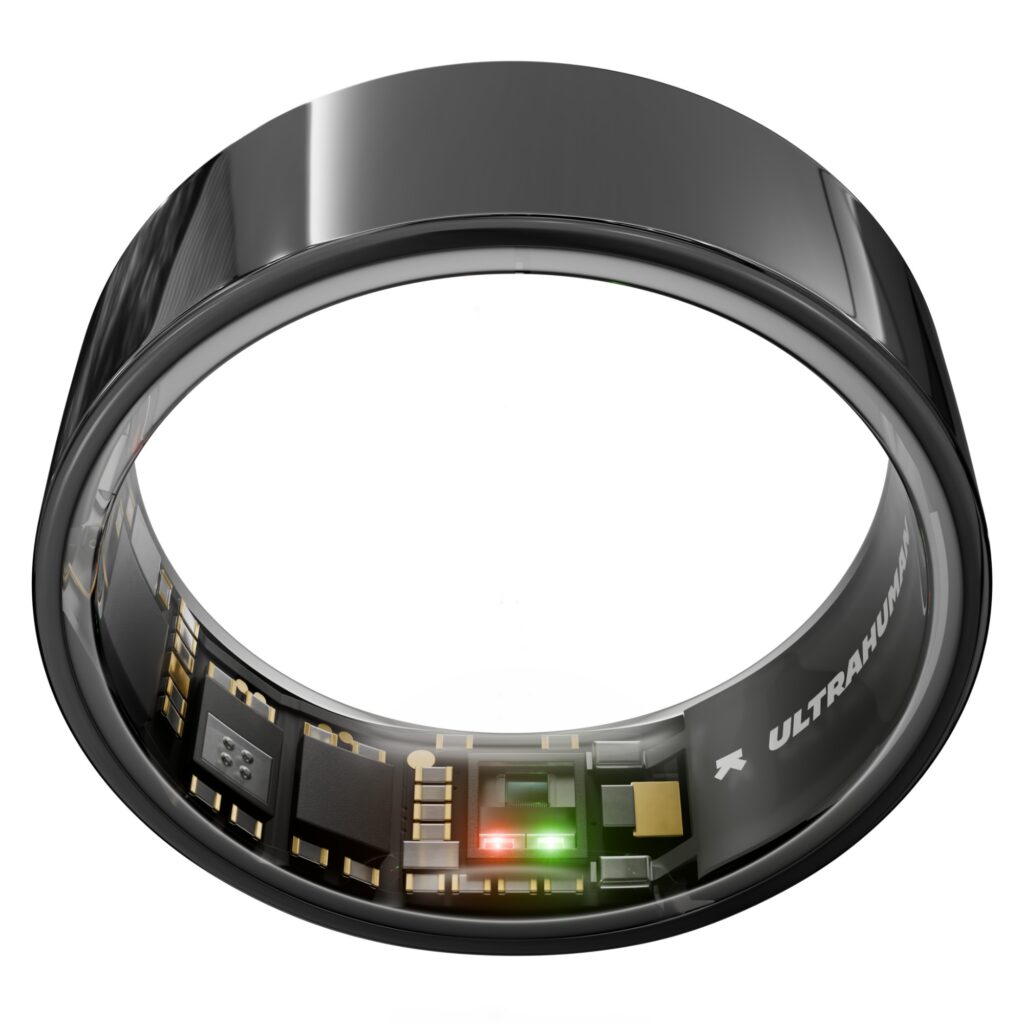
In a world where health monitoring is becoming increasingly paramount, many individuals are seeking intuitive devices that can provide accurate insights into their wellness. The Ultrahuman Smart Ring AIR addresses this need by combining cutting-edge technology with an ergonomic design, making it a compelling choice for health-conscious users.
This smart ring not only tracks your sleep stages but also offers dynamic recovery insights, making it suitable for those looking to optimize their health and performance. With its lightweight profile and advanced biomarker data collection, it positions itself as a serious contender in the fitness tracker market.
Pros
- Utilizes fingertip biomarker data for more accurate readings compared to wrist-based devices.
- Weighs only 2.4 grams, making it one of the lightest options available.
- Tracks sleep stages in detail and provides a daily sleep score.
- Offers a comprehensive Recovery Score based on multiple physiological markers.
- Hypoallergenic inner lining ensures comfort for all-day wear.
Cons
- Limited battery life compared to some wrist-based competitors, requiring more frequent charging.
- The ring’s design may not fit all finger sizes comfortably.
- Lacks some advanced features found in higher-end smartwatches, such as GPS tracking.
- Integration with third-party apps may be limited compared to more established fitness trackers.
Who It’s For
Athletes looking for precise sleep and recovery tracking to enhance performance.
Tech-savvy individuals who prefer a discreet health monitoring device over bulkier wearables.
Health enthusiasts aiming to optimize their wellness through detailed insights into sleep patterns and recovery metrics.
How We Evaluated
We compared the Ultrahuman Smart Ring AIR against several established fitness trackers, focusing on accuracy in biomarker readings, comfort during extended wear, and the depth of insights provided. Competitors like the Oura Ring and Fitbit Charge were taken into consideration due to their reputation in health tracking.
Key benchmarks included sleep tracking accuracy, recovery insights, and the overall user experience. The Ultrahuman Ring’s unique use of fingertip data collection was a significant factor in its evaluation, showcasing its potential for precision in health monitoring.
Affiliate Disclosure: This article contains affiliate links. When you purchase through links on our site, we may earn a commission at no additional cost to you. Our editorial team independently selects products based on research and testing. We only recommend products we genuinely believe in.