
Ad: this article contains affiliate links. If you buy through them, we earn a commission at no extra cost to you. Our reviews are based on research into manufacturer specifications, retailer information and published sources; we have not tested every product ourselves. Prices and stock change often, so check the retailer before you buy.
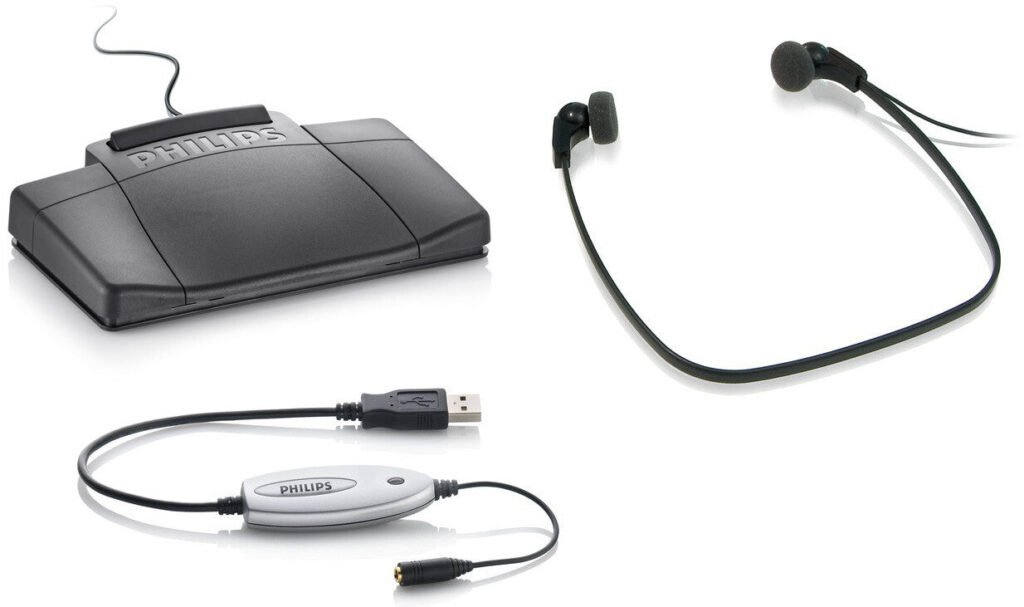
For professionals engaged in transcription work, the need for reliable audio equipment is paramount. Poor sound quality can lead to inaccuracies, while uncomfortable headphones can make long sessions unbearable. The Philips LFH5220 Headphones aim to address these challenges, offering a wired solution specifically designed for transcriptionists.
This model features a head-band, in-ear design with a focus on comfort and sound clarity. With a retail price of £205.99, it positions itself as a mid-range option suitable for serious professionals who require dependable audio performance over extended periods. The headphones come equipped with a standard 3.5 mm connector, making them compatible with a variety of devices, including computers and transcription equipment.
The ergonomic design of the Philips LFH5220 is complemented by features intended to enhance usability during transcription. With soft ear cushions and a lightweight build, they strive to provide comfort without sacrificing sound quality. The product’s specifications indicate a frequency range of 20 Hz to 20 kHz, which is adequate for capturing the nuances of spoken dialogue, essential for accurate transcription.
Pros
- Excellent sound quality with a frequency response of 20 Hz to 20 kHz
- Lightweight design at 53 grams for all-day comfort
- Soft ear cushions enhance wearing comfort during long use
- Wide compatibility with a 3.5 mm connector for various devices
- High sensitivity of 103 dB ensures clear audio playback
Cons
- Open acoustic design may not provide adequate noise isolation in loud environments
- Wired connection limits mobility compared to wireless options
- No integrated microphone limits versatility for calls or voice commands
- Higher price point may not suit casual users or those on a budget
In Depth
Sound Quality and Frequency Response
The Philips LFH5220 headphones offer a frequency response of 20 Hz to 20 kHz, which covers the essential range for human speech. This frequency response is crucial for transcription tasks, where clarity and detail in audio are necessary. The sensitivity rating of 103 dB suggests that these headphones can deliver loud audio without distortion, which is beneficial for ensuring that every word is heard clearly.
Additionally, the dynamic driver type and neodymium magnets used in the LFH5220 contribute to a robust sound profile. This means users can expect a balanced audio output that helps in accurately capturing the spoken word, reducing the chance of missing important details during transcription.
Comfort and Ergonomics
The ergonomic design of the Philips LFH5220 is one of its standout features. Weighing only 53 grams, these headphones are lightweight, which is an important consideration for transcriptionists who may wear them for hours at a time. The soft ear cushions provide additional comfort, helping to minimize fatigue during lengthy sessions.
Moreover, the supraaural ear coupling style allows for a snug fit that aids in passive noise isolation. This design choice can enhance focus by limiting external distractions, thereby improving overall transcription efficiency.
Wired Connectivity and Compatibility
Equipped with a 3.5 mm connector, the LFH5220 headphones ensure wide compatibility with many devices, including computers, laptops, and transcription machines. This wired connection eliminates concerns about battery life, making them a reliable choice for long transcription tasks.
However, the reliance on a wired connection may limit mobility compared to wireless options. Users should consider their workspace layout and whether a wired setup will meet their needs without causing inconvenience.
Limitations and Potential Drawbacks
While the LFH5220 headphones excel in sound quality and comfort, they do have limitations. The open acoustic design may not provide the best noise isolation, which could be a drawback in noisy environments. Users working in such settings may find it challenging to maintain focus without external distractions.
Additionally, the absence of advanced features such as Bluetooth connectivity or integrated microphones means that these headphones are best suited for stationary use. Users seeking versatility for both transcription and casual listening may need to explore other options that offer wireless capabilities.
Price Considerations
At £205.99, the LFH5220 headphones are positioned at a price point that reflects their professional-grade features. While this price may be justified by the quality of sound and comfort, potential buyers should assess their specific needs. For casual users or those on a budget, there are more economical options available that may suffice for less demanding audio tasks.
Investing in the LFH5220 is likely to benefit professionals who require consistent performance and comfort during extensive transcription work. However, users should weigh the cost against their frequency of use and specific audio requirements.
Who It’s For
Transcription professionals needing reliable audio clarity
Remote workers requiring comfortable headphones for extended use
Students or researchers focused on audio-intensive tasks
Use Cases
Professional Transcription Work
For transcriptionists working on audio recordings, the Philips LFH5220 headphones offer the sound clarity necessary to capture every detail. Their comfort allows for extended use without discomfort, making them ideal for long transcription sessions.
Remote Work and Virtual Meetings
Remote workers can benefit from the LFH5220’s comfort during virtual meetings. While they lack a built-in microphone, they can be used with external mics for clear audio during calls.
Academic Research and Study
Students engaged in research that involves audio material will find the LFH5220 helpful. Their sound quality ensures that important nuances in recordings are not missed, aiding in accurate note-taking and analysis.
Also consider


How We Researched This
This review is based on the manufacturer’s specifications and retailer data available for the Philips LFH5220 headphones. We focused on key attributes such as sound quality, comfort, connectivity options, and price to assess their suitability for transcription tasks.
We compared the LFH5220 against similar products in the market, considering factors like frequency response, weight, and user feedback from professional settings. This evaluation aims to provide a comprehensive overview of the product’s strengths and limitations based on factual information.
Frequently Asked Questions
What is included in the box?
The Philips LFH5220 headphones come with a quick start guide and a USB cable.
Are these headphones suitable for casual listening?
While the LFH5220 offers good sound quality, their design is tailored for transcription work, making them less versatile for casual listening compared to other models.
What devices are compatible with the LFH5220?
The headphones feature a 3.5 mm connector, making them compatible with most computers, laptops, and audio devices that have a headphone jack.
Our Verdict
The Philips LFH5220 headphones are a solid choice for transcription professionals seeking reliable audio quality and comfort. However, those looking for versatility or wireless options may need to consider alternatives.
Where to buy
Best for: Transcription professionals needing reliable audio clarity
We earn a commission if you buy through these links, at no extra cost to you. How we make money