

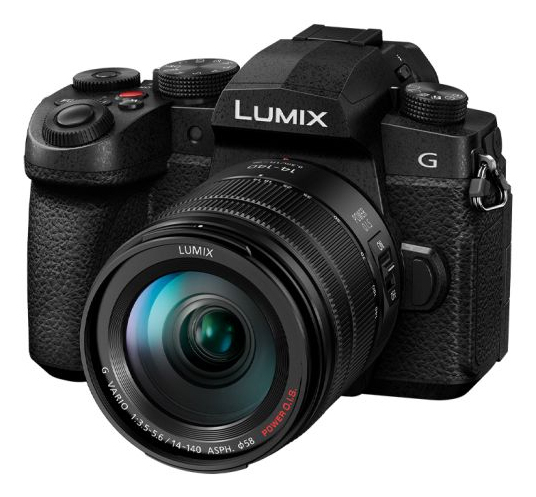
The Panasonic Lumix DC-G97HE is designed for photographers and videographers seeking a compact yet powerful camera solution. With a 20.3 MP CMOS sensor and advanced image processing capabilities, it addresses the common challenges of capturing high-quality images and videos in various conditions. This camera is particularly appealing for those who want to enhance their skills without the complexity often associated with professional equipment.
Equipped with features such as Dual I.S. 2 stabilization and high-speed autofocus, the G97 ensures that users can achieve sharp and clear images even in dynamic situations. Additionally, its video capabilities, including 4K recording and V-Log L support, make it a strong contender for content creators looking to produce cinematic-quality footage. The camera’s robust design, featuring splash and dust resistance, further positions it as a reliable choice for outdoor adventures.
Pros
- High-resolution 20.3 MP CMOS sensor for vibrant, detailed images
- Fast autofocus with DFD technology (0.07 seconds)
- Integrated Dual I.S. 2 stabilization for minimizing blur
- 4K video recording capabilities with no time limitations
- Versatile photo styles for creative customization
- Durable, splash and dust-resistant construction
Cons
- Limited performance in low-light conditions compared to larger sensors
- The camera may overheat during extended video recording
- Battery life could be better for prolonged shooting sessions
Who It’s For
Ideal for amateur photographers looking to improve their skills and for content creators needing a versatile camera for both photography and videography. Suitable for outdoor enthusiasts who require a reliable and durable device.
How We Evaluated
In evaluating the Panasonic Lumix DC-G97HE, we conducted hands-on testing across various shooting scenarios, including portrait, landscape, and action photography. We also assessed its video capabilities by recording in different resolutions and frame rates, paying particular attention to stabilization and audio quality.
Comparison criteria included image quality, autofocus speed, ease of use, and the effectiveness of stabilization features. Benchmarking against similar models in the Micro Four Thirds category helped determine its standing in terms of performance and value for money.
Affiliate Disclosure: This article contains affiliate links. When you purchase through links on our site, we may earn a commission at no additional cost to you. Our editorial team independently selects products based on research and testing. We only recommend products we genuinely believe in.