

Ad: this article contains affiliate links. If you buy through them, we earn a commission at no extra cost to you. Our reviews are based on research into manufacturer specifications, retailer information and published sources; we have not tested every product ourselves. Prices and stock change often, so check the retailer before you buy.
Short answer
The right battery capacity for your cordless tools depends on your usage needs. Higher amp-hour (Ah) ratings offer longer runtimes but can be heavier, while lower Ah ratings are lighter and suitable for less demanding tasks.
Understanding Battery Capacity
Battery capacity, measured in amp-hours (Ah), indicates how much energy a battery can store. A higher Ah rating means the battery can deliver more power over a longer period. This is crucial for tasks requiring extended use, like drilling or sawing, where consistent power delivery is necessary.
For light tasks or occasional use, a lower Ah battery may suffice. These batteries are generally lighter, making them easier to handle for tasks like overhead drilling or precision work.
Weight vs. Runtime
Higher capacity batteries, such as those with 8Ah, provide longer runtimes but are typically heavier. This additional weight can lead to fatigue during prolonged use. Conversely, lower capacity batteries, like a 1.7Ah, are lighter and more ergonomic but may require more frequent charging.
When deciding, consider the balance between weight and runtime. If you frequently undertake heavy-duty tasks, the extra weight of a high-capacity battery might be justified. For lighter tasks or if portability is key, a lighter battery might be more suitable.
Compatibility with Your Tools
Not all batteries are compatible with all tools. It’s essential to ensure the battery you choose is compatible with your existing tools. Most brands, like DeWalt or Bosch, offer batteries that are specifically designed for their range of tools, ensuring optimal performance and safety.
For example, the DeWalt DCB1102E2 is compatible with all DeWalt 18v XR tools, while the Bosch ProCORE battery fits all Bosch Professional 18v tools. Always check your tool’s specifications to confirm compatibility before purchasing a new battery.
Common Buyer Mistakes
One common mistake is selecting a battery based solely on capacity without considering the weight and how it affects tool handling. A high-capacity battery may seem appealing for its longer runtime, but if it’s too heavy, it can cause fatigue and reduce efficiency.
Another error is failing to check compatibility, which can lead to purchasing a battery that doesn’t fit your tools. Always verify that the battery matches your tool’s voltage and brand specifications. Lastly, consider your actual usage needs; buying the largest capacity available isn’t always the best choice if your tasks are light or infrequent.
Products That Fit
DeWalt DCB1102E2
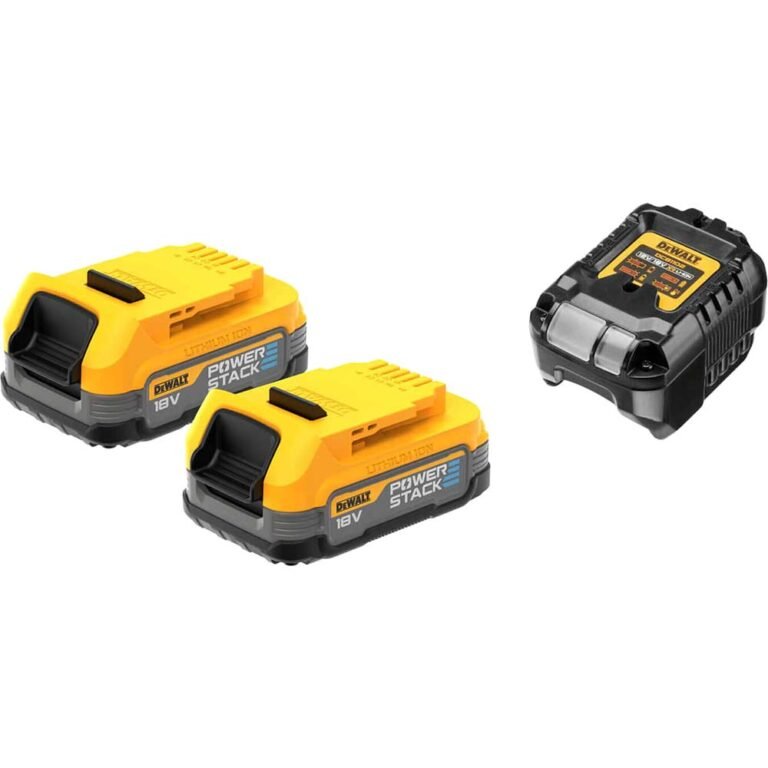
Offers a balance of power and weight for DeWalt 18v XR tools.
Makita 40v XGT Power Source Kit

Provides high capacity and extended runtime for demanding tasks.
Bosch Genuine BLUE 18v

Compact and lightweight for easy handling with Bosch tools.
See all our picks in The Best Battery Packs in 2026.
Frequently Asked Questions
What does Ah mean in batteries?
Ah, or amp-hours, measures a battery’s capacity. It indicates how much energy a battery can store and deliver over time. Higher Ah ratings mean longer runtimes.
Can I use a higher Ah battery in my tool?
Yes, as long as the battery is compatible with your tool’s voltage and brand. A higher Ah battery will provide longer runtime without affecting performance negatively.
Why is my tool heavier with a new battery?
Higher capacity batteries are typically heavier due to their larger energy storage capacity. This added weight can affect tool handling and cause fatigue during extended use.