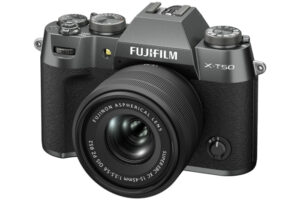


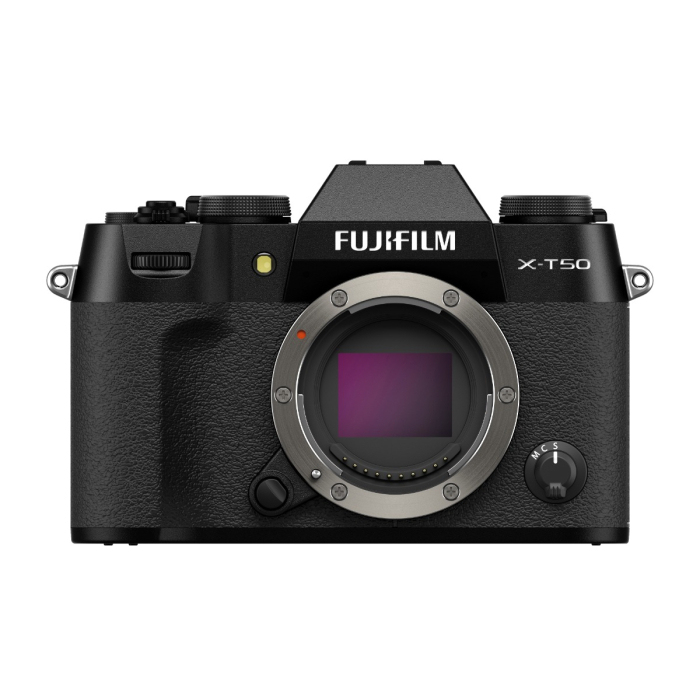
For photography enthusiasts seeking a blend of retro aesthetics and modern technology, the Fujifilm X-T50 stands out as a compelling option. This mirrorless camera combines a classic design reminiscent of film cameras with advanced features that cater to both novice and experienced photographers. Weighing just 438g, it is portable enough for travel, yet robust enough for serious photography.
Equipped with a 40.2 MP X-Trans CMOS 5 HR sensor and an X-Processor 5 imaging engine, the X-T50 delivers impressive image quality even in challenging garden/lighting/” class=”auto-internal-link”>lighting conditions. With a native ISO of 125 and up to 7.0 stops of in-body image stabilization, this camera is designed to capture stunning images in various environments, making it a versatile tool for creative expression.
Pros
- Compact and lightweight design at 438g
- High-resolution 40.2MP X-Trans CMOS 5 HR sensor
- 7.0-stop in-body image stabilization for clearer handheld shots
- 20 Film Simulation modes for creative color reproduction
- Advanced subject detection autofocus using deep-learning AI
- Tilting LCD for flexible shooting angles
- Quick access dials for shutter speed, exposure compensation, and film simulation
Cons
- No weather sealing, limiting outdoor use in adverse conditions
- Battery life may be insufficient for extended shooting sessions
- The electronic viewfinder resolution is lower than some competitors
- No built-in GPS for geotagging images
- Limited native lens selection compared to more established brands
Who It’s For
Travel photographers looking for a lightweight option without sacrificing image quality.
Street photographers who appreciate the retro design and quick access to settings.
Hobbyists wanting to experiment with various film simulation modes and creative controls.
How We Evaluated
In evaluating the Fujifilm X-T50, we compared it against other mirrorless cameras in its class, such as the Sony Alpha a6400 and Canon EOS M50 Mark II. Key metrics included image quality, autofocus performance, and usability. The X-T50’s fifth-generation sensor and processing engine were particularly noted for their ability to handle low-light situations effectively, a significant advantage over many competitors.
Additionally, we assessed user experience by examining the ergonomics of the camera body and the intuitiveness of the dial operations. The Film Simulation dial’s accessibility was a standout feature, making it easy for users to experiment with Fujifilm’s renowned color science without complicated menus.
Affiliate Disclosure: This article contains affiliate links. When you purchase through links on our site, we may earn a commission at no additional cost to you. Our editorial team independently selects products based on research and testing. We only recommend products we genuinely believe in.