

Ad: this article contains affiliate links. If you buy through them, we earn a commission at no extra cost to you. Our reviews are based on research into manufacturer specifications, retailer information and published sources; we have not tested every product ourselves. Prices and stock change often, so check the retailer before you buy.
In an era where health awareness is on the rise, many people seek effective ways to monitor their well-being without compromising daily convenience. The Fitbit Sense 2 aims to address this need by offering a range of health and fitness tracking features within a smartwatch format. This device is positioned in the mid-range segment of Fitbit’s offerings, providing a balance between advanced functionalities and user-friendly operation.
The Fitbit Sense 2 stands out with its integration of stress management tools, sleep analytics, and heart health monitoring capabilities. It is designed for individuals who want to take a proactive approach to their health, utilizing technology to gain insights into their physiological responses. Its sleek design and extensive feature set make it a compelling option for both fitness enthusiasts and casual users alike.
With a price point of £221.99, the Fitbit Sense 2 is accessible compared to other advanced health tracking devices on the market. Its combination of features—such as the ECG app, all-day body response tracking, and sleep score analysis—positions it as a valuable companion for those aiming to enhance their health monitoring without the complexity of more professional-grade equipment. This review will explore the specifications and practical implications of using the Fitbit Sense 2 in everyday life.
Pros
- Comprehensive health monitoring features including ECG and stress tracking
- Advanced sleep analytics with monthly insights
- Durable design with water resistance up to 50 meters
- Long battery life of up to 144 hours under normal use
- User-friendly interface with an always-on color display
Cons
- Limited battery life in GPS mode (5 hours)
- No built-in Wi-Fi for data syncing
- Lack of USB-C port for modern connectivity
- May not meet the needs of users seeking advanced athletic metrics
In Depth
Advanced Health Monitoring Features
The Fitbit Sense 2 is equipped with an ECG app that allows users to perform on-demand assessments for atrial fibrillation, a condition that can lead to serious health issues if left unchecked. This feature is especially useful for individuals with a family history of heart problems or those who want to keep an eye on their heart health during workouts or rest. Additionally, the heart rate monitoring capabilities provide insights into how stress and activity levels affect one’s heart rate, giving users a comprehensive view of their cardiovascular health.
Beyond heart health, the device incorporates all-day body response tracking, which helps users understand their stress levels throughout the day. This feature analyzes physiological responses—such as heart rate variability and skin temperature—to provide insights into emotional well-being. This can be particularly beneficial for users looking to manage stress through guided breathing exercises or meditation, making the device a holistic health companion.
Sleep Tracking and Analysis
The Fitbit Sense 2 offers robust sleep tracking capabilities, providing users with a Sleep Score that reflects the quality of their rest based on several metrics, including light, deep, and REM sleep stages. This feature is enhanced by the Sleep Profile function, which breaks down sleep data on a monthly basis to highlight patterns and areas for improvement. Such insights can be crucial for users looking to enhance their sleep hygiene and overall health.
Fitbit’s Premium subscription further enriches the sleep tracking experience by offering personalized recommendations based on the user’s sleep data. This feature can help users identify lifestyle changes that may improve their sleep quality, making the Fitbit Sense 2 not just a fitness tracker, but a tool for better overall health management.
Design and Usability
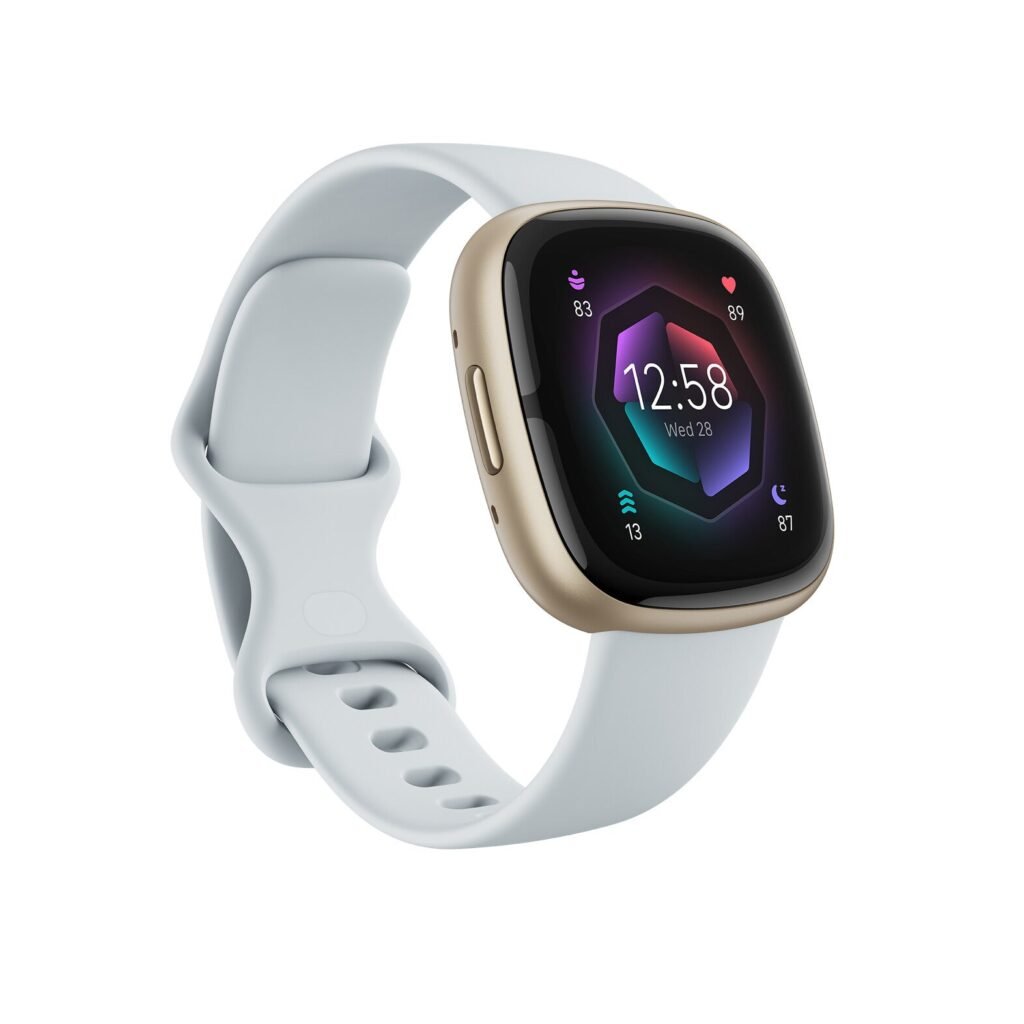
Weighing 200 grams and featuring a square shape with a gold aluminum case, the Fitbit Sense 2 combines a modern aesthetic with practical functionality. The Corning Gorilla Glass 3 provides durability against scratches, which is essential for everyday wear. The always-on color display enhances usability by allowing users to check their stats at a glance, although it may slightly impact battery life.
The device is waterproof up to 50 meters, making it suitable for swimming and other water-based activities. This level of water resistance is a significant advantage for users who engage in a variety of sports, ensuring that the device can withstand exposure to water without compromising functionality.
Battery Life and Charging
The Fitbit Sense 2 features a rechargeable Lithium Polymer battery with an impressive battery life of up to 144 hours under normal usage conditions. However, when utilizing GPS mode for tracking outdoor activities, the battery life is reduced to approximately 5 hours. This is a critical consideration for users who plan to engage in extended outdoor workouts or activities, as they may need to charge the device more frequently.
Charging the device takes about two hours, which is relatively efficient. However, the lack of a USB-C port may be seen as a limitation, as many modern devices are transitioning to this more universal charging standard. Users should factor in these charging requirements when planning their activities.
Limitations and Considerations
While the Fitbit Sense 2 offers a comprehensive range of features, it is not without its limitations. One notable drawback is the absence of built-in Wi-Fi, which means users must rely on Bluetooth for syncing data with their mobile devices. This could hinder real-time data updates for users who prefer a more integrated experience with their smart devices.
Additionally, while the device supports a variety of fitness tracking features, it may not be as robust as dedicated fitness trackers or smartwatches that focus solely on athletic performance. Users who prioritize advanced performance metrics may find the Fitbit Sense 2 lacking in some areas compared to more specialized devices.
Who It’s For
Health-conscious individuals looking for comprehensive tracking features
Users interested in stress management and sleep improvement
Casual fitness enthusiasts seeking a reliable smartwatch
Use Cases
Daily Health Monitoring
For individuals looking to monitor their heart health and manage stress levels, the Fitbit Sense 2 offers continuous tracking and insights. Its ECG app and stress management features make it suitable for those who want to stay informed about their physiological responses throughout the day.
Improving Sleep Quality
Users who struggle with sleep can benefit from the detailed sleep tracking and analysis provided by the Fitbit Sense 2. The Sleep Profile feature helps identify patterns and areas for improvement, making it a valuable tool for enhancing sleep hygiene.
Water Sports and Activities
Active users who enjoy swimming or water sports will find the Fitbit Sense 2’s water resistance up to 50 meters advantageous. The device can track workouts without the worry of damage from water exposure.
Also consider


How We Researched This
This review is based on the manufacturer’s specifications, retailer data, and published information about the Fitbit Sense 2. Key features such as health monitoring capabilities, sleep tracking, battery life, and design were compared against similar products in the market, including other Fitbit models and competing smartwatches. Considerations included ease of use, durability, and the range of features available to users in everyday scenarios.
The analysis also took into account user feedback available in product reviews and forums, which highlighted the practical implications of using the device over time. This method ensures a comprehensive understanding of the product’s strengths and weaknesses as reported by users and experts alike.
Frequently Asked Questions
What mobile operating systems are supported?
The Fitbit Sense 2 supports both Android and iOS operating systems, allowing it to sync with a wide range of smartphones.
What is included in the box?
The package includes the Fitbit Sense 2 smartwatch and a charger, but it does not come with an AC adapter.
How long does it take to charge the battery?
The charging time for the Fitbit Sense 2 is approximately two hours, which is relatively quick for a smartwatch.
Can I use the ECG feature without a subscription?
The ECG feature is available without a subscription, but additional insights and features may require a Fitbit Premium subscription.
Our Verdict
The Fitbit Sense 2 is a solid choice for individuals seeking a comprehensive health tracking smartwatch, particularly for monitoring stress and sleep. However, those who require extensive fitness metrics may want to explore more specialized devices.
Where to buy
Best for: Health-conscious individuals looking for comprehensive tracking features
We earn a commission if you buy through these links, at no extra cost to you. How we make money