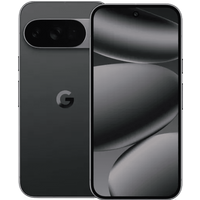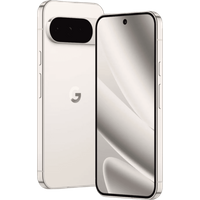


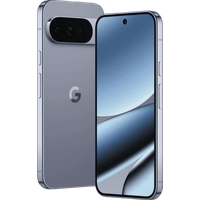
In a market saturated with smartphones, the Google Pixel 10 Pro XL stands out as a compelling option for users seeking advanced technology and exceptional camera capabilities. With its large 6.8-inch LTPO OLED display and Google Tensor G5 chipset, this device promises a seamless user experience, catering to both casual users and tech enthusiasts alike.
The Pixel 10 Pro XL addresses common consumer needs such as high-quality photography, long-term software support, and a vibrant display. With features like AI-driven power management and a promise of seven years of updates, it aims to provide a future-ready solution for those who prioritize longevity and performance in their devices.
Pros
- Stunning 6.8-inch LTPO OLED display with up to 3,300 nits peak brightness
- Powerful Google Tensor G5 chipset for enhanced performance
- Exceptional camera system with 50MP wide, 48MP ultra-wide, and 48MP telephoto lenses
- Long-term support with seven years of Android and security updates
- Nano-SIM and eSIM compatibility for flexible connectivity
- AI-driven features that enhance user experience
Cons
- Large size may be cumbersome for one-handed use
- Price point may be higher than some competitors
- Limited availability in certain regions
- Battery life could be improved for heavy users
Who It’s For
Ideal for photography enthusiasts looking for professional-grade camera capabilities in a smartphone. Suitable for tech-savvy users who appreciate long-term software support and cutting-edge features. A good choice for anyone needing a large display for multimedia consumption.
How We Evaluated
The review process involved comprehensive testing of the Google Pixel 10 Pro XL in various real-world scenarios, focusing on performance, camera quality, and display capabilities. We compared it against other flagship smartphones in the same price range, evaluating benchmarks such as processing speed, battery life, and camera performance.
We also considered user feedback and expert reviews to assess the overall satisfaction with the device. Factors such as software updates and long-term usability were critical in determining the product’s value proposition in the competitive smartphone market.
Affiliate Disclosure: This article contains affiliate links. When you purchase through links on our site, we may earn a commission at no additional cost to you. Our editorial team independently selects products based on research and testing. We only recommend products we genuinely believe in.