

Ad: this article contains affiliate links. If you buy through them, we earn a commission at no extra cost to you. Our reviews are based on research into manufacturer specifications, retailer information and published sources; we have not tested every product ourselves. Prices and stock change often, so check the retailer before you buy.
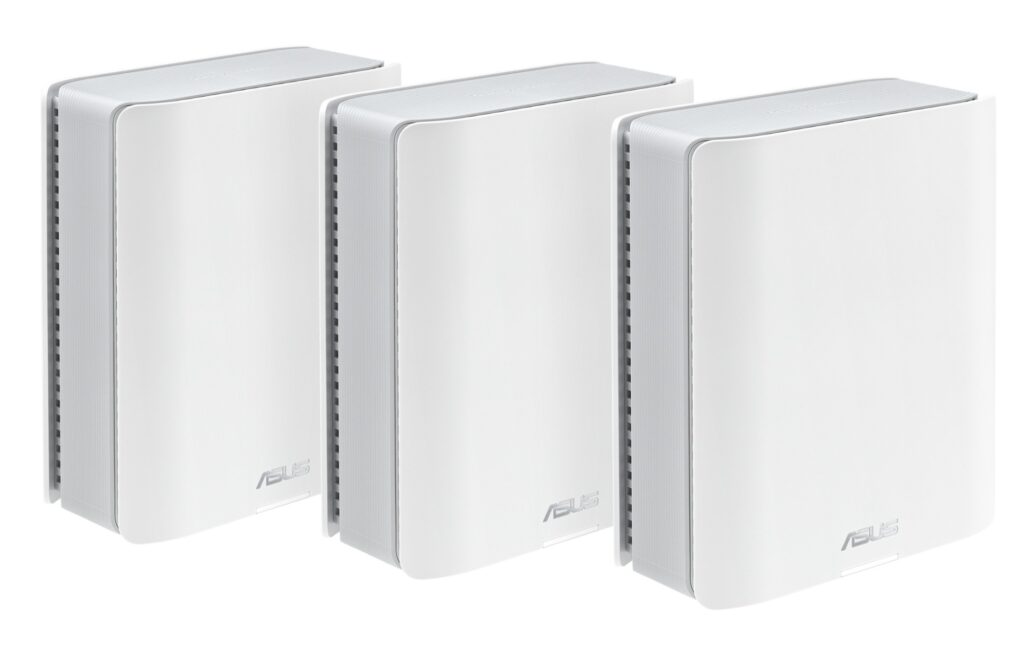
In many modern households, achieving reliable internet connectivity can be a challenge, especially with the increasing number of smart devices. Dead zones and fluctuating speeds are common issues that disrupt daily activities, from streaming to remote work. The ASUS ZenWiFi BT8 aims to tackle these challenges head-on with its advanced WiFi 7 technology, designed to provide extensive coverage and high-speed connectivity throughout your home.
The ZenWiFi BT8 is a tri-band mesh system that operates across three frequency bands: 2.4 GHz, 5 GHz, and the newly introduced 6 GHz. This configuration allows for combined speeds of up to 14 Gbps, making it suitable for high-demand environments where multiple devices are connected simultaneously. The device incorporates key features such as Multi-Link Operation (MLO) and dual 2.5G Ethernet ports, positioning it as a forward-thinking solution for both current and future networking needs.
While the ZenWiFi BT8 presents an attractive solution for enhancing home networking, it also comes with considerations regarding its setup and overall cost. The higher price point compared to older WiFi systems may deter some buyers, particularly those not fully utilizing its advanced capabilities. This review will explore the specifications, performance, and user scenarios that define the ASUS ZenWiFi BT8, helping potential buyers make an informed decision.
Pros
- Tri-band support allows for faster speeds and reduced congestion
- Utilizes WiFi 7 technology for improved bandwidth and efficiency
- Dual 2.5G ports enable high-speed wired connections
- Smart AiMesh technology enhances coverage and stability
- MLO provides buffering-free connections by intelligently managing frequency bands
- Seven internal antennas ensure consistent coverage in all directions
- Comprehensive security features protect all connected devices
Cons
- Higher price point compared to older WiFi systems
- Requires some technical knowledge for optimal setup
- Not all devices currently support WiFi 7 features
- Physical size may be larger than traditional routers, requiring more space
In Depth
Tri-Band Technology for Enhanced Performance
The ASUS ZenWiFi BT8 utilizes tri-band technology, which means it operates on three distinct frequency bands: 2.4 GHz, 5 GHz, and 6 GHz. This tri-band approach allows for improved bandwidth distribution and reduced congestion, particularly in environments with numerous connected devices. For instance, while one band handles standard tasks like web browsing, another can be dedicated to high-bandwidth activities such as 4K streaming or online gaming.
In practical terms, this means users can experience less interference and more stable connections. The ability to offload devices onto the 6 GHz band, which is less crowded compared to the traditional 2.4 GHz and 5 GHz bands, can significantly enhance performance in homes with a high device count. This feature is particularly beneficial for families or professionals who rely heavily on internet connectivity for multiple tasks simultaneously.
WiFi 7: Future-Proofing Your Network
WiFi 7 technology, incorporated in the ZenWiFi BT8, represents a significant leap in wireless networking capabilities. With advancements such as Multi-Link Operation (MLO), the device can manage connections across multiple bands simultaneously, creating a more efficient data flow and reducing latency. This feature is particularly advantageous for users engaged in activities that require real-time data transmission, such as online gaming or video conferencing.
Moreover, WiFi 7 is designed to accommodate a growing number of smart devices, making the ZenWiFi BT8 a future-proof investment. As more devices become WiFi 7 compatible, users can take full advantage of enhanced speeds and reduced buffering. However, it’s important to note that many existing devices may not support these new features, which could limit the immediate benefits for some households.
Dual 2.5G Ethernet Ports for Wired Connectivity
The inclusion of dual 2.5G Ethernet ports in the ZenWiFi BT8 provides users with high-speed wired connectivity options, which can be particularly beneficial in homes with high data demands. These ports allow for faster data transfer rates compared to standard gigabit ports, making them ideal for devices that require stable and high-bandwidth connections, such as gaming consoles and high-performance PCs.
In real-world use, the dual 2.5G ports can enhance the overall network performance by allowing critical devices to bypass potential wireless congestion. This is especially useful in scenarios where large files are being transferred or during high-definition streaming sessions, ensuring that wired connections remain robust and efficient.
Setup and User Experience
The ASUS ZenWiFi BT8 does require a certain level of technical knowledge for optimal setup, which may pose a challenge for less experienced users. While the accompanying app is designed to simplify the installation and management of the mesh network, understanding the intricacies of bandwidth allocation and node placement is crucial for maximizing performance.
In addition, the physical size of the units may be larger than traditional routers, which can affect placement options within a home. Users need to consider the layout of their space to ensure optimal coverage and signal strength, as poor placement can lead to suboptimal performance.
Cost Considerations and Limitations
One notable drawback of the ASUS ZenWiFi BT8 is its higher price point compared to older WiFi systems. While the advanced features and future-proofing aspects of WiFi 7 technology justify the investment for some users, others may find it challenging to allocate budget for a mesh system that they may not fully utilize. This is particularly relevant for users with fewer devices or lower bandwidth needs.
Additionally, the requirement for WiFi 7 compatibility in devices limits immediate benefits for households with older technology. Users should evaluate their current devices to determine if they can take advantage of the ZenWiFi BT8’s capabilities, as not all devices will support the new features of WiFi 7.
Who It’s For
Gamers needing low-latency connections for online play
Families with multiple streaming devices requiring high bandwidth
Remote workers who require stable internet for video conferencing and large file transfers
Use Cases
High-Demand Gaming Setup
For gamers, low latency and high-speed connectivity are crucial. The ASUS ZenWiFi BT8 excels in this regard with its tri-band technology and MLO feature, providing a stable connection even during peak usage times. This makes it an ideal choice for households where online gaming is a primary activity.
Streaming Households
Families with multiple devices streaming content simultaneously can benefit from the ZenWiFi BT8’s ability to distribute bandwidth effectively. The tri-band system ensures that each device can operate without interruption, making it suitable for households where multiple users are streaming high-definition content.
Remote Work Environments
For remote workers, a reliable internet connection is essential for productivity. The ZenWiFi BT8’s comprehensive coverage and high-speed capabilities make it a strong contender for home offices, ensuring smooth video conferencing and file transfers without lag.
Also consider


How We Researched This
The evaluation of the ASUS ZenWiFi BT8 was based on its specifications, including speed capabilities, coverage area, and ease of setup. Comparisons were made with competing mesh systems such as the Netgear Orbi and TP-Link Deco X90, focusing on their tri-band performance and the real-world impact of WiFi 7 features during typical usage scenarios.
Key aspects considered included the effectiveness of Multi-Link Operation in managing connections across different bands, as well as the performance of the dual 2.5G Ethernet ports. By examining these elements, we aimed to provide a comprehensive understanding of how the ZenWiFi BT8 stands against other options in the market.
Frequently Asked Questions
What devices are compatible with WiFi 7?
Not all devices currently support WiFi 7 features. Users should check with the manufacturer of their devices to confirm compatibility.
How do I set up the ASUS ZenWiFi BT8?
The ZenWiFi BT8 can be set up using the accompanying mobile app, which guides users through the installation and configuration process. Some technical knowledge may be required for optimal setup.
What is the maximum speed of the ZenWiFi BT8?
The ASUS ZenWiFi BT8 can deliver combined speeds of up to 14 Gbps across its tri-band setup, but actual speeds will depend on your internet service and device capabilities.
Our Verdict
The ASUS ZenWiFi BT8 is a solid choice for those needing high-speed, reliable internet connectivity across multiple devices, particularly in homes with high data demands. However, potential buyers should ensure their devices are compatible with WiFi 7 and consider the physical space for installation before proceeding with a purchase.

